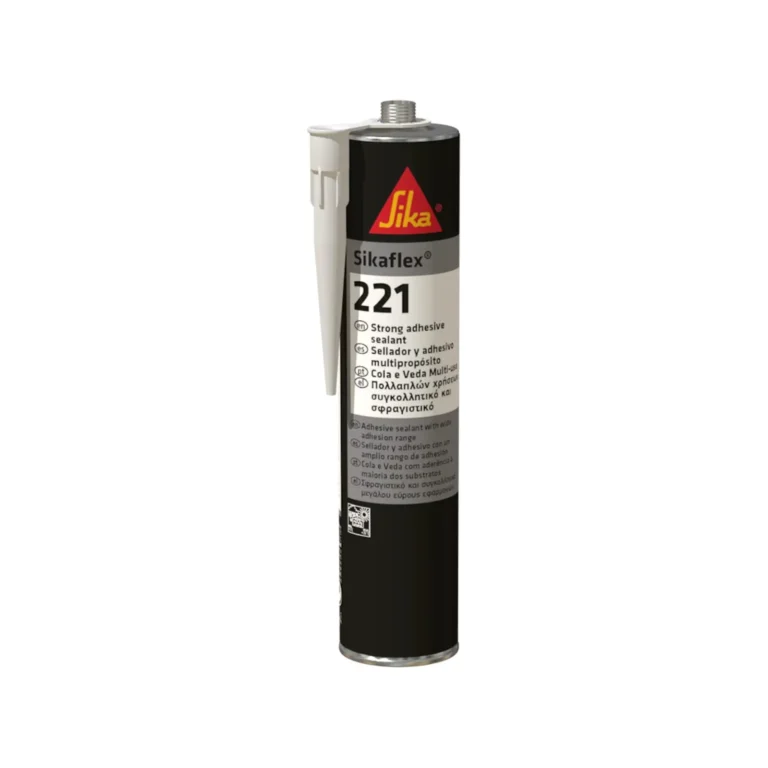
Choosing between strong double sided tape and adhesive sealant can save you time, money, and a lot of frustration. At first glance, both products seem to do the same job: stick materials together. But in reality, they solve different problems. Heavy-duty tape is ideal for fast, clean mounting, while adhesive sealants are designed for stronger bonding, flexibility, and weather resistance. If you’re deciding between the two for a building, automotive, or DIY project, this guide explains when each option makes the most sense.
What Is Strong Double-Sided Tape?
Strong double sided tape is a pressure-sensitive adhesive tape with adhesive on both sides, designed to bond two surfaces together without screws, nails, or wet adhesives.
Common types include:
- Foam mounting tape
- Acrylic bonding tape
- Cloth or tissue carrier tapes
- Industrial double sided tape for heavier loads
These products are popular because they offer:
- Fast application
- Clean finish
- No curing time
- No mess or sealant guns required
Typical uses:
- Mounting trims and panels
- Signage
- Interior fixings
- Light automotive parts
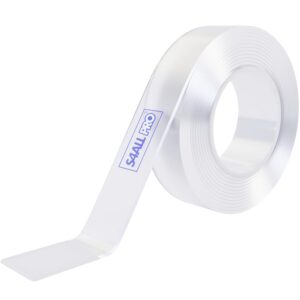
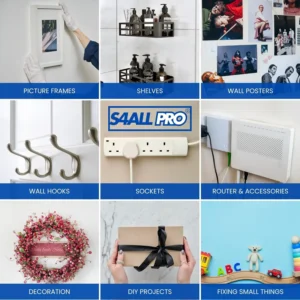
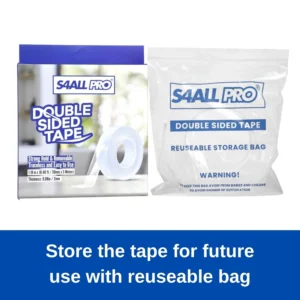
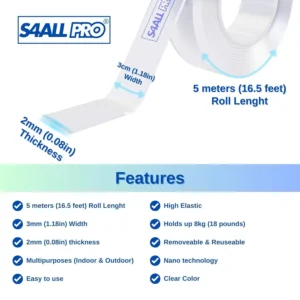


S4ALL PRO Double Sided Tape Heavy Duty
What Is an Adhesive Sealant?
An adhesive sealant combines bonding strength with flexibility and sealing performance. Unlike tape, it not only sticks materials together but also fills gaps and creates a weatherproof seal.
Popular types include:
- Hybrid polymer sealants
- Polyurethane sealants
- Silicone sealants
Adhesive sealants are commonly used where movement, moisture, or long-term durability matter.
Typical uses:
- Window installation
- Roof sealing
- Vehicle body bonding
- Caravan and marine sealing
- Construction joints
Unlike tape, sealants require curing time but provide stronger, more flexible long-term performance.
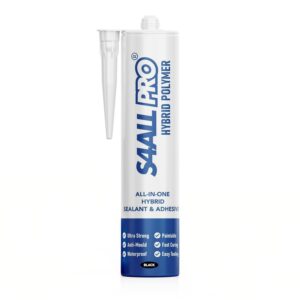
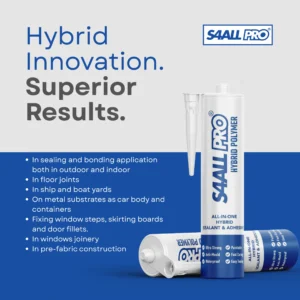
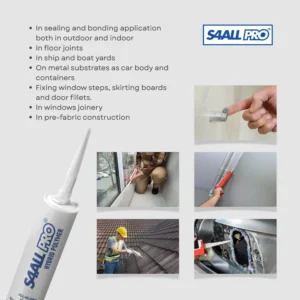
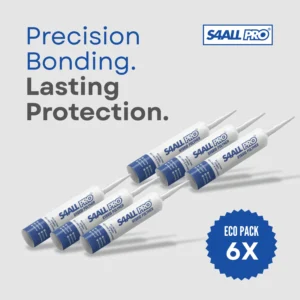
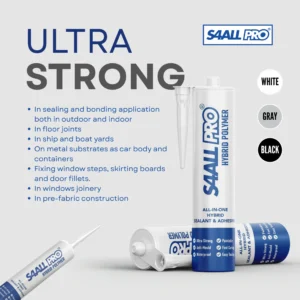
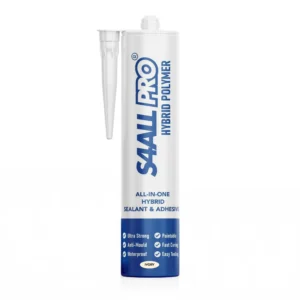
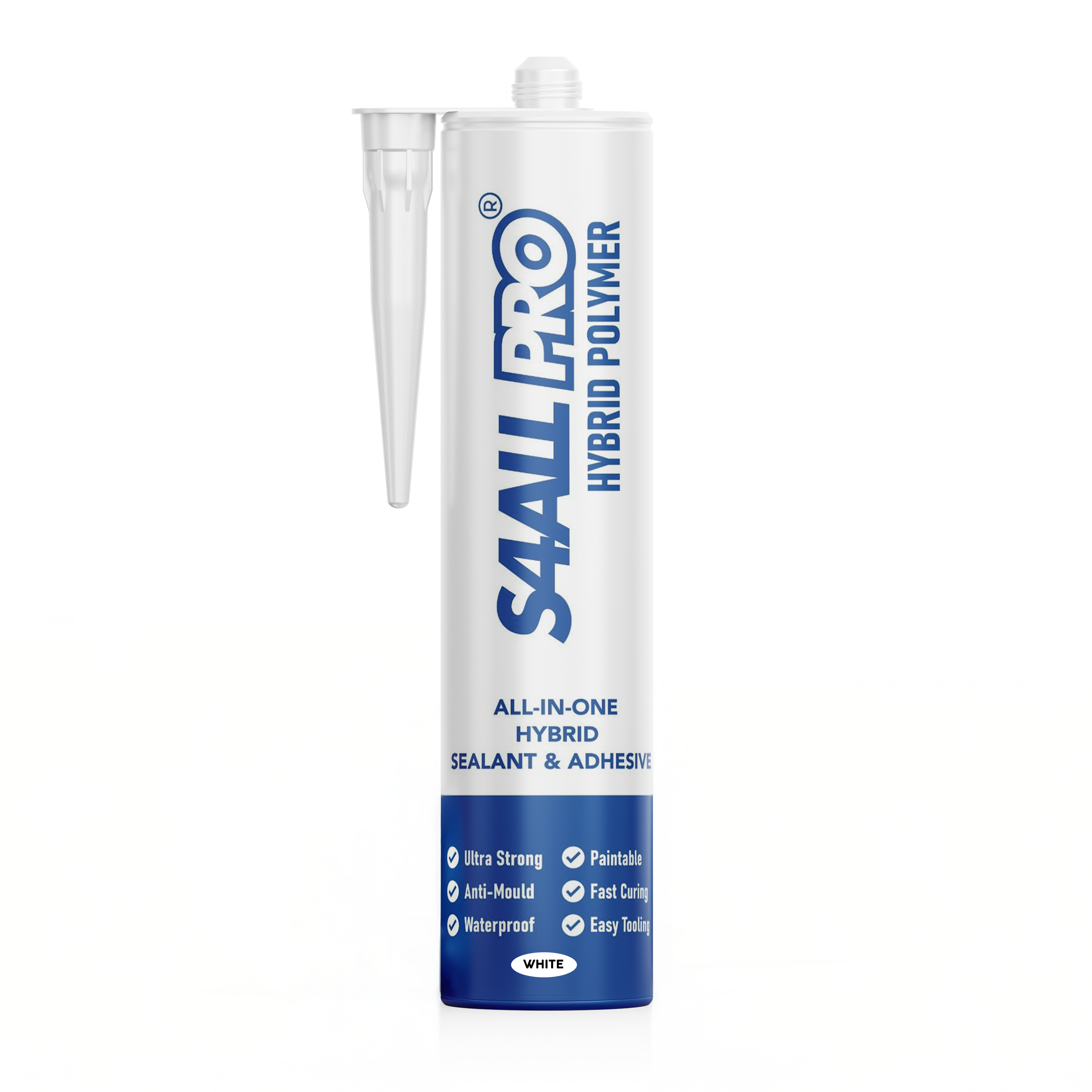
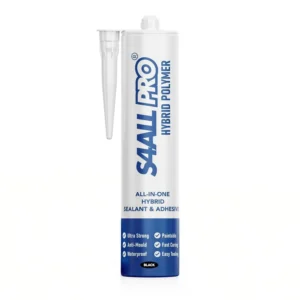


S4ALL PRO All-In-One Hybrid Polymer Caravan Sealant & Adhesive
When to Use Strong Double-Sided Tape
Double sided tape heavy duty products are best when speed, cleanliness, and convenience matter more than sealing or structural flexibility.
Best Applications for Heavy Duty Double-Sided Tape
- Mounting mirrors
- Fixing trim pieces
- Attaching signs and displays
- Temporary or semi-permanent installations
- Indoor decorative panels
Advantages
- Instant bond
- No drying or curing time
- Clean, hidden fixing method
- Easy to use
Limitations
- Poor gap-filling ability
- No waterproof sealing function
- Can fail on rough or dusty surfaces
- Limited flexibility under movement or vibration
Example: Mounting a lightweight splashback or interior trim? Tape is usually ideal.
When to Use Adhesive Sealant
Adhesive sealants are better when you need:
- Bonding plus sealing
- Outdoor weather resistance
- Flexibility under movement
- Gap filling
Best Applications for Adhesive Sealants
- Caravan windows and roof lights
- Bathroom and kitchen sealing
- Metal and panel bonding
- Outdoor fixtures
- Construction expansion joints
Advantages
- High bond strength
- Waterproof seal
- Flexible after curing
- Better for vibration and movement
Limitations
- Requires curing time
- More application prep
- Can be messier if applied badly
Example: Installing a caravan roof vent or sealing exterior panels? Sealant is the obvious choice.
Strong Double-Sided Tape vs Adhesive Sealant: Key Differences
| Feature | Double-Sided Tape | Adhesive Sealant |
|---|---|---|
| Application speed | Instant | Slower |
| Curing time | None | Required |
| Gap filling | No | Yes |
| Weather resistance | Limited to product type | Excellent |
| Flexibility | Moderate | High |
| Waterproofing | No | Yes |
| Structural movement | Limited | Better |
Can You Use Both Together?
Yes—and professionals often do.
A common method is:
- Use heavy duty double sided tape for initial hold and positioning
- Use adhesive sealant for permanent bond and weather sealing
This works especially well for:
- Bathroom panels
- Vehicle trims
- Wall cladding
- Caravan fittings
The tape acts like a third hand while the sealant cures.
Common Mistakes to Avoid
- Using tape outdoors without checking UV/weather rating
- Using tape where waterproof sealing is needed
- Using sealant when instant grab is required
- Skipping surface cleaning and prep
Even the best industrial double sided tape will fail on dirty or oily surfaces.
Why Buy Tapes and Sealants from Sealants4All?
- Official distributor of Sika, Everbuild, Fischer, Terraco, and S4 AllPro
- Professional-grade adhesive products
- Wide range of tapes and sealants
- Fast UK delivery
- Trade pricing available
Browse our product range here: adhesives and sealants
Frequently Asked Questions
Is strong double-sided tape as strong as glue?
For some light and medium-duty applications, yes. But adhesive sealants generally provide better long-term strength, flexibility, and weather resistance.
Can heavy duty double-sided tape be used outdoors?
Some industrial-grade tapes are designed for outdoor use, but always check UV and weather resistance specifications first.
When should I use adhesive sealant instead of tape?
Use adhesive sealant when you need waterproofing, flexibility, gap filling, or outdoor durability.
Can I combine tape and sealant?
Yes. This is common in professional installations where tape provides instant hold and sealant provides permanent bonding.
Does double-sided tape damage surfaces?
It can, depending on adhesive strength and substrate. Removal can sometimes pull paint or coatings from delicate surfaces.
Both products have their place. Strong double sided tape is ideal for fast, clean mounting, while adhesive sealants are better for demanding long-term bonding and sealing jobs. Choosing correctly depends on whether your priority is speed, strength, weather resistance, or flexibility.
Browse our full range and get fast UK delivery on every order — shop all sealants and adhesives