
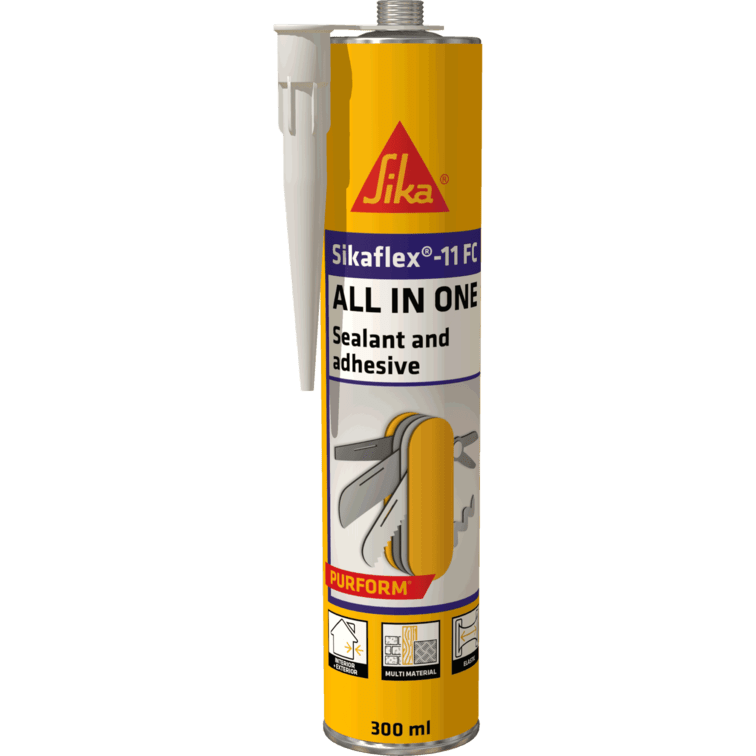
What construction sealant is and what it’s used for
Construction sealant is a flexible material you apply to close joints, gaps and seams in building components. It adheres to surfaces such as concrete, brick, glass, metal, timber and plastics, helping accommodate movement caused by temperature changes, vibration or settlement.
You use sealant where you need a continuous, weather-resistant barrier rather than a rigid connection. Common applications include:
- Sealing gaps around windows and doors
- Protecting joints in façades, roofs and cladding
- Sealing expansion and control joints in concrete
- Preventing water and air leakage
- Reducing draughts, dust and noise transmission
- Sealing around plumbing, electrical and ventilation penetrations
Different formulations suit different conditions. Silicone generally provides strong weather and UV resistance, while polyurethane offers durable adhesion and abrasion resistance. Hybrid polymer products combine properties from several sealant types and often accept paint.
Before application, you need to check the sealant’s compatibility with the surfaces, expected movement, moisture exposure and temperature range. You should also prepare the joint correctly by removing dust, grease and loose material, then selecting the appropriate backing material and joint dimensions.
Main types: polyurethane, hybrid polymer, and silicone
You can choose a construction sealant by comparing adhesion, flexibility, weather resistance, and compatibility with the surrounding materials. The three common options each suit different applications.
| Type | Key properties | Common uses |
|---|---|---|
| Polyurethane | Tough, flexible, and paintable; adheres well to many porous surfaces | Concrete joints, masonry, floors, façades, and expansion joints |
| Hybrid polymer | Low odour, flexible, often paintable, and suitable for damp surfaces | General building joints, windows, doors, roofing, and mixed-material connections |
| Silicone | Highly flexible with strong resistance to sunlight, moisture, and temperature changes | Glazing, sanitary areas, façade joints, and movement joints |
Polyurethane sealants provide strong mechanical performance and usually bond well to concrete, brick, timber, and metal. You should check the product specification before painting, as some formulations require a compatible coating or primer.
Hybrid polymer sealants combine properties associated with polyurethane and silicone. They often offer good adhesion across varied substrates, low shrinkage, and easier application, making them a practical choice when you need one product for several materials.
Silicone sealants remain flexible over a wide temperature range and resist ultraviolet exposure and water. They generally suit non-porous surfaces, but many standard silicone products cannot be painted. Use a sanitary-grade formulation where mould resistance matters, and select a neutral-cure product for sensitive metals or substrates.
Choosing the right sealant for the joint type
Choose a sealant that matches the joint’s movement, width, exposure and adjoining materials. Check the manufacturer’s technical data for service temperature, adhesion, curing time and compatibility before application.
| Joint type | Suitable sealant characteristics |
|---|---|
| Expansion and movement joints | Use a flexible polyurethane, hybrid polymer or silicone sealant with the required movement capability. |
| Concrete control joints | Select a durable polyurethane or hybrid sealant that bonds well to concrete and tolerates weather exposure. |
| Window and door perimeters | Use a low-modulus silicone or hybrid sealant that accommodates frame movement and resists water ingress. |
| Masonry joints | Choose a breathable, weather-resistant sealant compatible with brick, block or stone. |
| Metal-to-metal joints | Select a sealant that adheres to the specific metal and resists corrosion, moisture and temperature changes. |
| Internal finishing joints | Use a paintable acrylic or hybrid sealant where limited movement and a clean finish are required. |
For wide or deep joints, install a compatible backing rod before applying sealant. This controls the sealant depth, supports the correct joint profile and helps prevent three-sided adhesion.
Avoid using rigid sealants in joints that move. Confirm whether you need a paintable product, and test adhesion on porous, coated or unusual surfaces before full application.
Application and surface preparation tips for trade users
Before applying construction sealant, check the product’s technical data sheet for substrate compatibility, joint dimensions, movement capability, and curing conditions. Confirm that the sealant suits the intended interior or exterior exposure.
Prepare the joint carefully:
- Remove dust, laitance, loose material, old sealant, oil, grease, and surface moisture.
- Use a suitable cleaner for the substrate, following the manufacturer’s instructions.
- Install backer rod where required to control sealant depth and prevent three-sided adhesion.
- Mask adjacent surfaces to produce clean edges.
Ensure porous substrates are sound and sufficiently dry. Some materials require a primer, while certain plastics, metals, paints, or treated surfaces may need testing before full application. Apply primer only when the product data sheet specifies it.
Cut the nozzle to match the joint width and hold the gun at a consistent angle. Apply the sealant continuously, filling the joint without trapping air. Tool the bead promptly with a compatible tooling solution, then remove masking tape before the sealant skins.
Keep the joint and surrounding area within the specified application temperature range. Protect fresh sealant from rain, dust, vibration, and contact until it has cured. Do not apply to frozen, contaminated, or unstable surfaces.
Wear the recommended gloves and eye protection, and provide ventilation where the product data sheet requires it. Dispose of cartridges, masking materials, and contaminated cloths according to local waste requirements.
Related products and comparison guide
You can choose from several sealant types, depending on the joint, surface and expected movement. Compare the main options before selecting a product.
| Product | Best suited to | Key considerations |
|---|---|---|
| Silicone sealant | Glass, sanitary areas and façade joints | Flexible and moisture-resistant; often difficult to paint |
| Polyurethane sealant | Concrete, masonry and movement joints | Strong adhesion and abrasion resistance; may require suitable surface preparation |
| Hybrid polymer sealant | Indoor and outdoor general construction | Paintable and versatile; check compatibility with the substrate |
| Acrylic sealant | Low-movement interior gaps | Easy to apply and paint; less suitable for prolonged water exposure |
| Fire-rated sealant | Penetrations and joints in fire-resistant assemblies | Use only where its tested classification matches the application |
Check the manufacturer’s technical data sheet for movement capability, curing time, application temperature and adhesion limits. You should also confirm whether the sealant suits porous surfaces, metals, plastics or painted materials.
For exterior work, prioritise weather resistance, UV stability and joint movement. For bathrooms and kitchens, select a product designed for frequent moisture exposure and verify whether it includes mould resistance.
A compatible primer can improve adhesion on difficult substrates. You should also check whether the product accepts paint, reacts with existing coatings or requires a specific backing material.